
Start by narrowing what matters (and what you can safely ignore)
Worrying about every study or supplement is a common distraction. The single practical aim is steady glucose across the day—fewer sharp spikes and big dips—because that directly affects energy, hunger and long-term metabolic health. Ignore trendy one-off diets, expensive tracking gadgets you won't use, and miracle supplements with weak evidence. Focus on a small set of repeatable habits you can actually keep.
Build a simple daily sequence that supports healthy blood sugar habits
The sequence below is ordered for ease: what to do at meals first, then simple movement, sleep and stress actions, with a single supplement option for people who want extra support. Each habit earns its place because it's easy, evidence-backed, and reduces decision fatigue.
1. Plate rules that blunt spikes
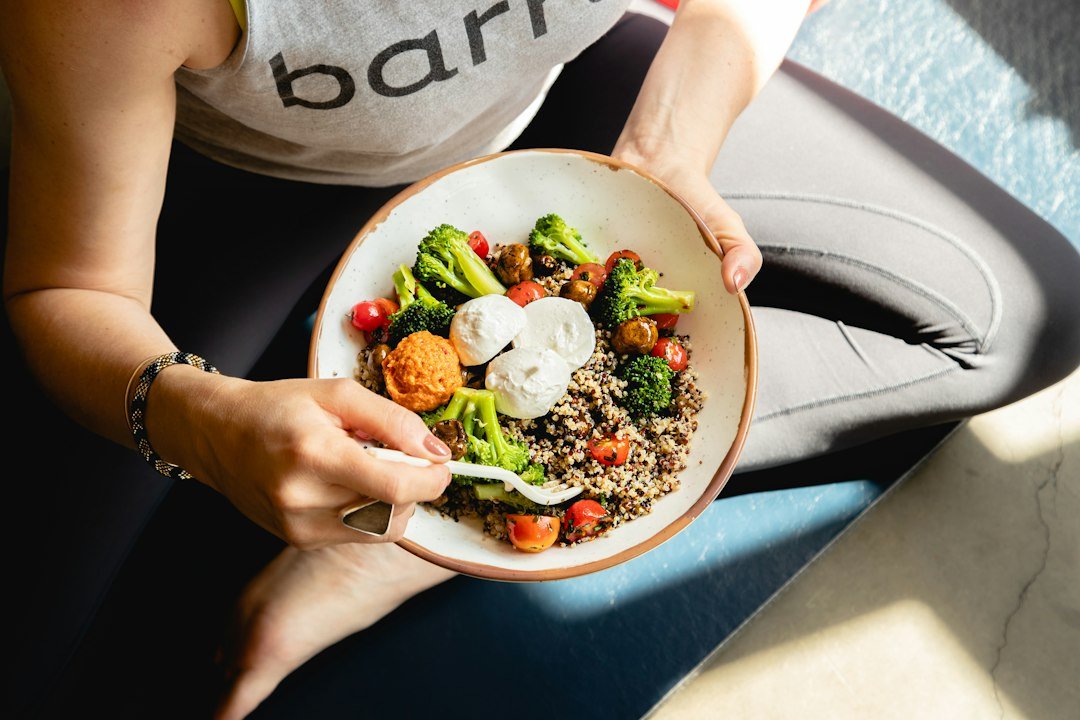
At every meal aim for: non-starchy vegetables, a moderate protein, a small serving of whole-grain or starchy carbohydrate (or starchy vegetable), and a source of healthy fat. That balance slows digestion and the release of glucose.
- Practical portions: fill half your plate with vegetables, one-quarter with protein (3–4 oz), and one-quarter with a whole grain, potato, or legume. Add a thumb-sized serving of olive oil, avocado, or nuts.
- Examples: salmon, mixed greens, quinoa and roasted sweet potato; chickpea salad with olive oil and a small whole-grain roll.
- If you prefer liquid breakfasts: make a smoothie with leafy greens, Greek yogurt or protein powder, half a banana, and a tablespoon of nut butter—not just fruit juice.
2. Use fiber and protein as your everyday stabilizers
Fiber (vegetables, legumes, oats, seeds) and protein blunt the blood sugar rise and prolong satiety. Make sure snacks pair a carb with protein or fat—apple with peanut butter, whole-grain crackers with cheese, or a small handful of mixed nuts and berries.
3. Time movement to smooth post-meal glucose
A brisk 10–20 minute walk after a meal often lowers the post-meal glucose peak more than the same activity done earlier. If a walk isn't possible, standing and light movement (climbing stairs, marching in place) helps. Schedule a short after-lunch stroll and a quick movement break mid-morning and mid-afternoon.
4. Simplify carbs rather than cutting them completely
Eliminating carbs can be stressful and unsustainable. Instead, prioritize whole-food carbs and cut refined white bread, sugary drinks, pastries and highly processed snacks. When eating higher-carb meals (pizza, pasta, rice bowls), add an extra veggie serving and protein to reduce the spike.
5. Make sleep and consistent mealtimes part of your plan
Poor sleep and irregular eating both make glucose control harder. Aim for a consistent bedtime and wake time, and avoid late-night heavy meals. If your schedule varies, pick a simple anchor—such as eating breakfast within 60 minutes of waking—to help regulate appetite hormones and blood sugar rhythms.
6. Manage stress in short practical ways
Chronic stress raises glucose through cortisol. You don't need long daily meditation; try three 60-second breathing pauses spread through the day (deep belly breaths) or a 10-minute breathing walk after a stressful call. These micro-habits are realistic and lower the cortisol-driven glucose rise.
When a supplement makes sense—and which one to pick
Most people can make major improvements through food, movement and sleep. But for those who want targeted support, one well-matched supplement can fit into the routine without adding complexity. From our catalog, the top, broadly useful option is an ionic trace mineral product because mineral balance influences glucose metabolism and energy; it's gentle and supports overall nutrition.
Use it when you have low dietary variety, travel often, follow a restricted eating pattern, or notice more frequent dips or cravings despite improving meals and movement. Start with the lowest recommended dose and watch for small improvements in energy and cravings over 2–4 weeks.
How to simplify rather than add more steps
Pick one meal to focus on for two weeks—often lunch or breakfast—and apply the plate rule, post-meal walk, and a high-fiber snack. Once that feels automatic, add the next meal. This slow layering prevents overwhelm.

Practical adjustments and exceptions to know
- If you take glucose-lowering medication, consult your clinician before changing meals or adding supplements—timing and doses may require adjustment.
- For weight loss goals, keep the same plate proportions but slightly reduce portions; avoid extreme restriction which commonly undermines blood sugar control.
- People with digestive trouble may prefer cooked vegetables and smaller, more frequent meals while they adapt to higher fiber.
Useful related reading
For broader hormone and digestive links see Simple Nutrition Tips for Supporting Hormone Balance and the gut health guide.
- Choose one meal to apply the plate rule every day for 2 weeks.
- Schedule a 10–20 minute walk after that meal on your calendar.
- Swap one refined carb snack for a protein-and-fiber option.
- Set a consistent bedtime and one 60-second breathing pause each day.
- If diet variety is low, try the trace mineral supplement for 4 weeks.
Focus on a few repeatable habits—balanced plates, fiber plus protein, short post-meal movement, consistent sleep, and simple stress breaks. Add a trace mineral supplement only if dietary gaps persist. Start with one meal and build slowly.
How quickly will I notice an improvement?
Many people feel steadier energy and fewer cravings within 1–3 weeks after improving meal balance and adding brief post-meal walks; measurable metabolic changes can take longer.
Are low-carb diets necessary for blood sugar control?
No—reducing refined carbs helps, but sustainable whole-food carbohydrates paired with protein and fiber can control blood sugar without strict carb elimination.
Can exercise before meals replace walking after meals?
Both help; pre-meal exercise improves insulin sensitivity, but a short walk after meals specifically reduces peak post-meal glucose. Use a mix that fits your schedule.
Is berberine better than trace minerals for glucose?
Berberine can support glucose metabolism but has stronger effects and may interact with medications. Trace minerals are gentler and appropriate for routine dietary support; choose based on needs and medical advice.