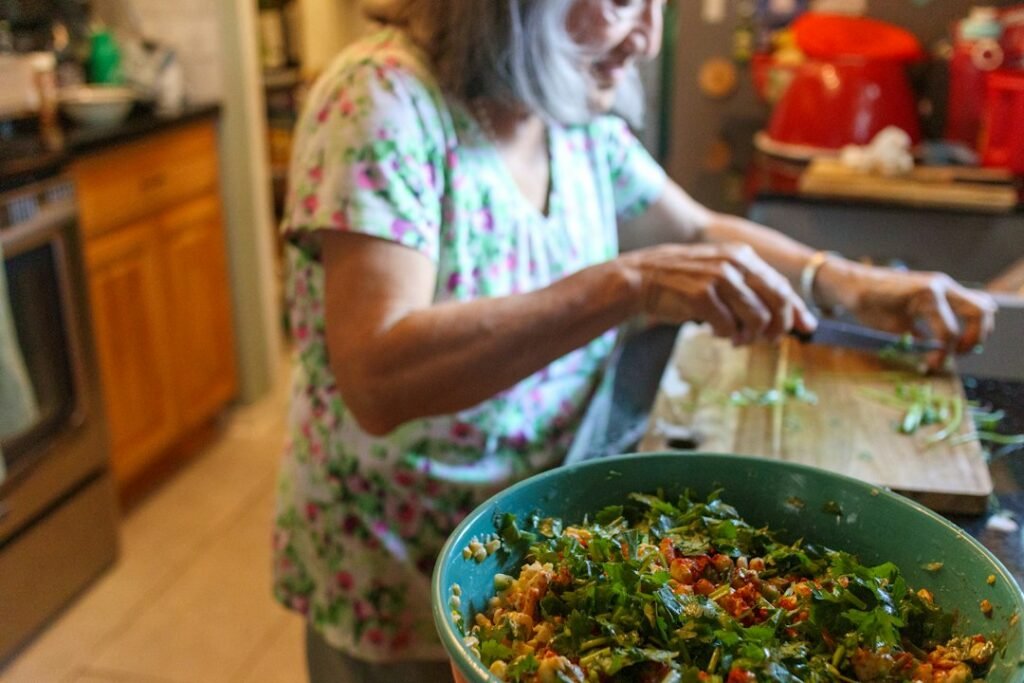
When you clear out the fridge to make dinner and notice more takeout boxes than fresh vegetables, your liver is silently working overtime.
Supporting liver health is less about drastic cleanses and more about daily choices that reduce workload and keep natural detox pathways running smoothly. Here are straightforward, evidence-aligned tips you can use this week to help your liver function better over time.
Focus on whole foods that ease liver load
Swap highly processed meals for simple plates: lean protein, plenty of vegetables, a small portion of whole grains, and healthy fats. Cruciferous vegetables (broccoli, Brussels sprouts), leafy greens, garlic, onions, and citrus fruits contain compounds that support liver enzymes and bile production.
- Quick win: Add a cup of steamed broccoli or a citrus vinaigrette to one meal each day.
- Practical swap: Replace creamy dressings and fried sides with a drizzle of extra-virgin olive oil and lemon; it reduces refined fat intake and supplies polyphenols beneficial to liver cells.
Reduce alcohol and be realistic about limits
Alcohol is one of the clearest drivers of liver stress. Cutting back even modestly — fewer drinking days per week or smaller servings — reduces long-term risk.
If you don’t want to stop completely, set simple rules: no more than one standard drink on days you do drink, and aim for at least two alcohol-free days weekly.
Choose fiber and healthy carbs to support bile and weight
Fiber helps the body remove excess bile acids and estrogen metabolites that the liver processes. Aim for a mix of soluble fiber (oats, beans, apples) and insoluble fiber (vegetables, whole-grain bread).
Maintaining a healthy weight through balanced meals and portion control lowers the chance of fatty liver—often the most common, yet reversible, liver condition.
Hydration and timing—small changes with measurable effects
Being well-hydrated supports circulation and toxin transport. Try a glass of water with lemon in the morning and keep a water bottle visible during the day. Avoid sugary drinks that increase metabolic burden.

Mind medications and over-the-counter habits
Many prescription and OTC drugs (like acetaminophen) are metabolized in the liver. Always check dosing, avoid mixing multiple liver-metabolized painkillers, and speak with your clinician about alternatives if you take daily medications. When starting any new long-term medication, ask about liver monitoring.
Sleep, stress and movement: support the liver indirectly
Poor sleep and chronic stress affect hormone balance and metabolic health, which indirectly burden the liver. Aim for consistent sleep timing, short evening wind-down routines, and 20–30 minutes of moderate physical activity most days to improve insulin sensitivity and liver fat metabolism.
When supplements can be helpful — and which to consider
Most people don’t need supplements for liver support if their diet and habits are solid, but certain targeted options can assist specific needs. Two supplements available in our catalog align well with practical goals:
- For bile flow and general hepatoprotection consider TUDCA (tauroursodeoxycholic acid). It’s often used to support healthy bile acid balance and liver function in people with bile flow concerns.
- For supporting estrogen metabolism and elimination, calcium D‑glucarate can help reduce re-circulation of hormones processed by the liver.
Use supplements as an adjunct, not a replacement for the lifestyle basics above. If you take medications or have liver disease, consult your clinician before starting any new supplement.
Product note: BodyBio TUDCA (ID 228) is a useful option when bile flow support is appropriate; discuss use and dose with a healthcare provider.
Simple routine checks to monitor progress
You don’t need complicated tests to notice change. Track these practical signals over a month:
- More regular bowel movements and less bloating (improved bile and fiber balance).
- Reduced midday fatigue and better sleep continuity.
- Smaller waist circumference or modest weight loss if overweight.
Checklist before you make a plan
- Swap one processed meal per day for a vegetable-forward plate.
- Set a realistic alcohol rule (e.g., max one drink and two alcohol-free days/week).
- Increase fiber at breakfast with oats or fruit.
- Check current medications for liver interactions with your clinician or pharmacist.
- Consider a conversation about TUDCA or calcium D‑glucarate if you have specific bile or estrogen concerns.
Pick two simple actions to start this week—one around meals (more vegetables, less processed food) and one around routine (cut back on alcohol or add a daily walk). Reassess in four weeks and add another habit if it feels sustainable.
How quickly will lifestyle changes affect liver health?
Some markers, like energy and digestion, can improve in weeks; measurable changes in liver fat or blood tests may take months and depend on consistency.
Are liver cleanses necessary?
Short-term “cleanses” are usually unnecessary and can be harsh; gradual, sustainable habits are safer and more effective for liver support.
Can supplements replace medical treatment for liver disease?
No. Supplements may support liver function but should not replace medical care for diagnosed liver conditions—work with your clinician.
What foods should I avoid for liver health?
Limit sugary beverages, highly processed foods, trans fats, and excessive alcohol; focus on whole, fiber-rich foods and healthy fats instead.
When should I see a doctor about liver concerns?
See a clinician for persistent fatigue, jaundice, unexplained abdominal pain, very dark urine, or abnormal liver blood tests.