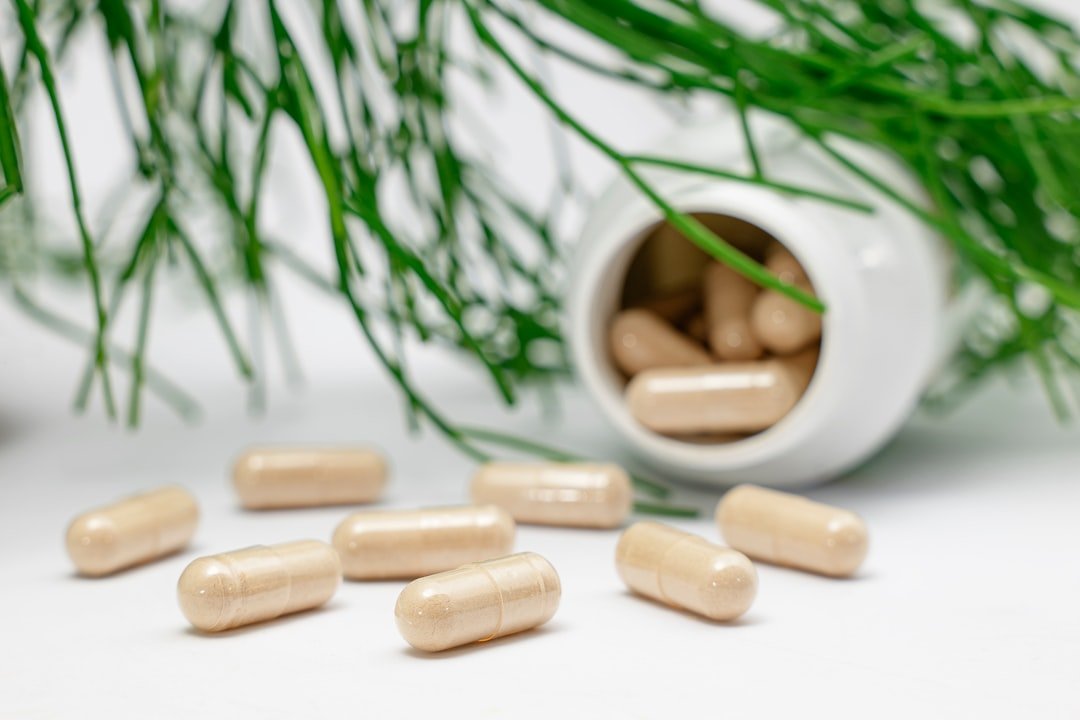
Short answer: probiotics are the live microbes; prebiotics are the food that helps those microbes thrive.
If you want to change your gut bacteria directly, choose probiotics (live strains). If you want to feed and support the bacteria already there, choose prebiotics (non-digestible fibers and oligosaccharides). Many people benefit from both, but the right choice depends on your goal, symptoms and tolerance.
How I’ll help you decide: the three decision criteria
Use these when weighing probiotics vs prebiotics: (1) your goal — symptom relief vs long-term microbiome support, (2) current gut state — sensitive or unstable gut vs generally healthy, and (3) practicality — diet changes vs supplements, and cost.
What probiotics actually do (and when they help)
Probiotics are live bacteria or yeast strains (Lactobacillus, Bifidobacterium, Saccharomyces, spore formers, etc.) taken as foods or supplements. They temporarily add or boost specific strains in your gut and can:
- Reduce some types of diarrhea, including antibiotic-associated episodes.
- Help with occasional bloating and mild IBS symptoms for some people (strain-dependent).
- Support immune function and vaginal or urinary tract health in certain contexts.
Trade-offs: benefits are often strain- and dose-specific and may be short-term — many probiotics don’t permanently colonize the gut. They’re useful when you need a targeted, measurable effect (e.g., after antibiotics, for travel diarrhea, or specific IBS protocols).
What prebiotics actually do (and when they help)
Prebiotics are fermentable fibers and compounds (inulin, fructooligosaccharides/FOS, galactooligosaccharides/GOS, resistant starches) that human enzymes can’t digest but beneficial microbes can. They:
- Promote growth of beneficial bacteria (e.g., Bifidobacteria, some Firmicutes).
- Increase production of short-chain fatty acids (SCFAs) like butyrate, which feed colon cells and support metabolic and immune health.
- Support regularity and long-term microbiome resilience when added to diet consistently.
Trade-offs: some prebiotics ferment quickly and can cause gas, bloating or discomfort, especially if you have SIBO or a sensitive gut. They’re best for gradual, long-term support rather than immediate symptom relief.
Compare meaningful trade-offs: symptom relief, long-term change, safety, and side effects
- Speed of effect: Probiotics can act quickly (days to weeks) for targeted symptoms; prebiotics take weeks to months to reshape microbial populations and SCFA production.
- Lasting change: Prebiotics encourage lasting shifts if you keep consuming them regularly. Many probiotics stop having an effect after you stop taking them unless they successfully colonize.
- Side effects: Probiotics are generally well tolerated, though rare systemic infections can occur in severely immune-compromised people; prebiotics are more likely to cause gas and bloating at first.
- Specificity: Probiotics can be chosen for specific strains and conditions; prebiotics are broader—feeding several bacterial groups rather than a single strain.
- Cost and convenience: Both have affordable options. Food-first prebiotics (onions, garlic, bananas, oats, artichoke) are cheapest; high-quality multi-strain probiotics and targeted prebiotic concentrates cost more but may suit specific needs.
Which choice suits different readers?
Use these profiles to match needs.
You have just finished antibiotics or have traveler's diarrhea
Choose a probiotic with evidence for antibiotic-associated diarrhea or Saccharomyces boulardii if available — it’s shown to reduce antibiotic-related diarrhea risk and can be taken immediately during/after antibiotics.
You have chronic constipation or want better stool regularity
Start with prebiotic-rich foods and consider a soluble fiber supplement; certain probiotic strains can help motility but combining with prebiotics often gives more durable results.
You have IBS, gas and bloating
If bloating is severe or you suspect SIBO, be cautious with prebiotics — they can worsen symptoms. Trial a low-dose, strain-targeted probiotic first (or seek guidance from a clinician). If bloating is mild, introduce prebiotics slowly and track tolerance.
You want general metabolic or immune support long-term
Prioritize prebiotics through diet (oats, onions, garlic, leeks, artichoke, resistant starch from cooled potatoes/rice) and add a diverse, well-formulated probiotic if you want occasional targeted boosts.

Practical plan: how to combine them safely and effectively
- Decide the immediate aim (symptom relief vs microbiome support).
- If starting probiotics: pick a clinically-studied strain for your issue, take for 4–8 weeks, and note changes.
- If starting prebiotics: increase slowly—start with one serving every other day, then every day—watch for gas and reduce if needed.
- Combining: introduce probiotics first if you’re sensitive, then add low doses of prebiotics after 1–2 weeks to help the new strains thrive.
- Timing: either together or separate—there’s no strict rule; personal tolerance matters more.
Product suggestion for common needs
If you want one clear place to start: for a probiotic with a strong match for intestinal support, consider the store’s top-ranked option for acute gut support.
For a targeted prebiotic blend designed for microbiome support, consider the precision prebiotic product ranked highly in the catalog.
When to see a clinician first
Talk with a healthcare provider before starting probiotics or prebiotics if you have immune suppression, recent major surgery, very severe GI symptoms, unexplained weight loss, or suspected SIBO. A clinician can recommend strains, tests, or a treatment sequence tailored to you.

- Identify your main goal: symptom relief, regularity, or long-term microbiome health.
- For probiotics: check strain specificity and suggested clinical use on the label.
- For prebiotics: note ingredients (inulin, FOS, resistant starch) and start with low doses.
- Watch for increased gas/bloating and adjust dose or sequence if needed.
- Keep a 4–8 week log to judge benefit and decide whether to continue or switch.
Probiotics and prebiotics are complementary tools: probiotics introduce helpful microbes; prebiotics feed them. Choose probiotics for targeted, often quicker symptom relief and prebiotics for long-term microbiome resilience—use both thoughtfully and adjust based on tolerance and goals.
Can I take probiotics and prebiotics together?
Yes. Many people tolerate them together; if you’re sensitive, introduce the probiotic first and add small amounts of prebiotic later to reduce gas.
Are fermented foods the same as probiotics?
Fermented foods like yogurt, kefir, sauerkraut contain live microbes and can act as food sources; however, strain counts and survival vary, so supplements may be more reliable for targeted effects.
Will prebiotics make my bloating worse?
They can, especially if introduced quickly or if you have SIBO. Start slowly and reduce dose if gas or bloating worsens.
How long before I see benefits?
Probiotic effects can appear in days to weeks for some conditions; prebiotic-driven microbiome shifts usually take weeks to months of consistent intake.
Should I choose food or supplements?
Food-first is safest and cost-effective for general health; use supplements when you need specific strains, higher doses, or when diet changes aren’t practical.