That mid-morning blink: you’ve had coffee but still feel flat—what to do right now
You know the scene: coffee in hand, inbox open, and by 10:30 the focus fades. To support energy levels across the day you need simple, repeatable fixes that fit real life—small habits that prevent crashes instead of papering over them. Below are practical strategies you can use immediately and keep using day after day.
Start the day with steady fuel, not just caffeine
Caffeine wakes you up, but food stabilizes energy. Aim for a breakfast that pairs protein + fiber + healthy fat to slow digestion and avoid blood sugar spikes. Examples: Greek yogurt with berries and a spoonful of nut butter; scrambled eggs with spinach and a slice of whole-grain toast; a protein shake blended with frozen fruit and oats.
If mornings are rushed, prep grab-and-go options the night before—hard-boiled eggs, portioned nut-and-seed mixes, or overnight oats. These stop you reaching for a sugary pastry that causes a crash mid-morning.
Hydrate early and often
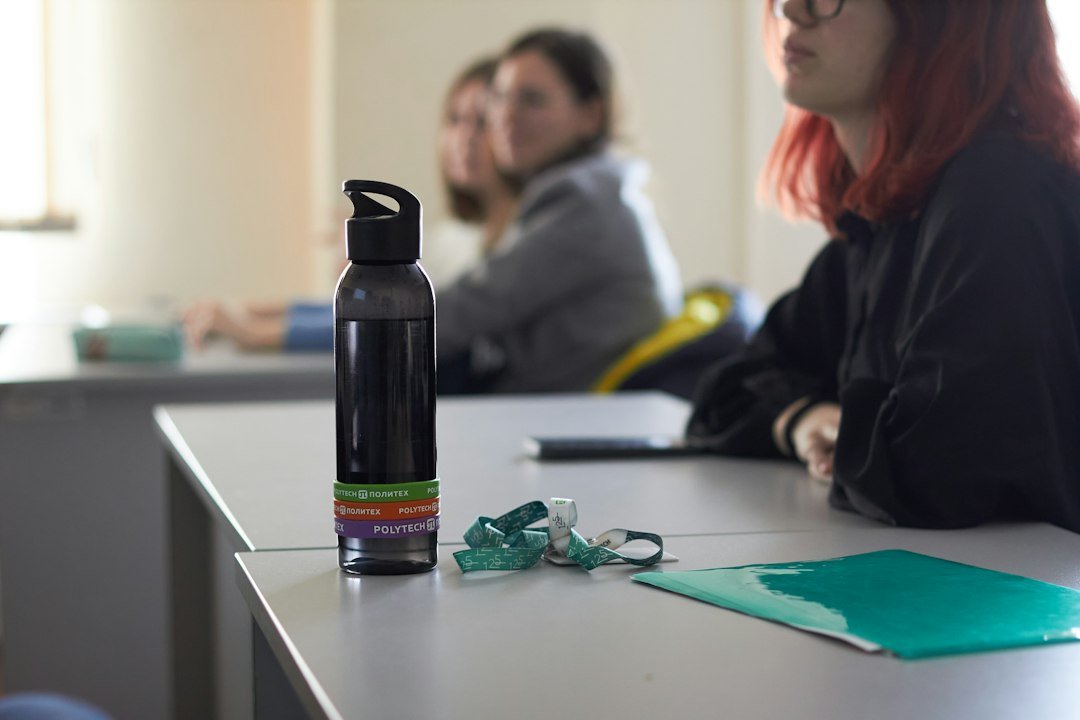
Even mild dehydration reduces alertness. Keep a visible water bottle at your work area and sip regularly—aim for small, steady amounts rather than gulping. Add a squeeze of lemon or a splash of mineral water for variety. If plain water bores you, unsweetened green tea gives mild caffeine plus antioxidants without a sugar crash.
Plan smart mini-meals to avoid the slump
Instead of two large meals, try three smaller meals and a planned snack mid-afternoon. The snack should combine protein and fiber—for example, apple slices with almond butter, a small handful of mixed nuts and a clementine, or cottage cheese with cucumber. These choices support energy levels by keeping blood sugar steady.
Use movement to reset—5–15 minutes is enough
A brief burst of movement can be more effective than another cup of coffee. Stand and stretch, do a 10-minute brisk walk, or use a short bodyweight circuit: 30 seconds each of squats, marching in place, and shoulder rolls, repeated twice. Movement increases blood flow and mental alertness immediately and has cumulative benefits when done regularly.

Schedule energy in blocks—work with your natural rhythm
Most people have peak and trough windows during the day. Identify yours by noting when you feel sharpest for three days: schedule demanding tasks during peaks and routine or creative tasks during lower-energy periods. Use a digital timer or calendar blocks to protect those windows and to remind you to take short breaks.
Mind your breath and stress—small practices, big payoffs
Stress accelerates fatigue. Two quick practices: 4-4-6 breathing (inhale 4 seconds, hold 4, exhale 6) for one minute to calm the nervous system; and a 60–90 second mindful pause where you close your eyes and scan for tension. Both reduce the cortisol-driven energy drag that builds up during a busy day.
Light and posture matter—use environment to stay alert
Bright, blue-enriched light signals wakefulness. Work near a window when possible or use a bright desk lamp in the morning. Check posture: slumping restricts breathing and makes you feel sluggish—sit upright, support your lower back, and angle screens to eye level. Stand periodically to change circulation and posture.
Sleep prep that supports daytime energy
Daytime energy starts the night before. Prioritize consistent sleep timing, and wind down 30–60 minutes before bed: dim lights, limit screens, and avoid heavy meals or alcohol close to bedtime. If you struggle with sleep, small changes—cooler room, blackout shades, or magnesium glycinate—can be helpful. For specific sleep strategies, see our guide on natural sleep support after 40.
Choose targeted supplements when diet gaps exist
Supplements aren’t a substitute for good habits, but certain products can help if you have known gaps. For low iron, energy-sapping anemia is a medical issue—get labs before supplementing. For everyday support, a magnesium glycinate supplement can help sleep and calm, indirectly supporting daytime energy.
When energy dips, test not guess: simple troubleshooting
- Are you eating regular balanced meals? If not, try a protein+fiber snack for two days and note differences.
- How is your hydration? Add 500–750 ml extra water across the day for 48 hours to test the effect.
- How many hours of sleep did you average last week? Small increases of 20–30 minutes can matter.
- Do episodes align with stress spikes? Try brief breathing pauses during those blocks and log mood/energy before and after.
Practical swaps that add energy without effort
Make these substitutions over a week and see which stick:
- Swap a sugary latte for a smaller coffee with an extra glass of water.
- Replace a heavy carb lunch (white bread/pasta) with protein + veg to avoid post-lunch sleepiness.
- Set a phone alarm to stand and move every 60 minutes during work blocks.
Checklist: daily actions that support steady energy
- Start with a protein-rich breakfast or prepared grab-and-go option.
- Sip water regularly; aim for a visible bottle at your workspace.
- Schedule one 10–15 minute movement break mid-morning or mid-afternoon.
- Pack a protein + fiber snack for the afternoon slump.
- Practice one 60-second breathing pause when stress feels high.
- Keep a consistent bedtime and a 30–60 minute wind-down routine.
Pick two changes—one to your daytime routine (hydration, snack, movement) and one to your evening routine (consistent bedtime, screen limit). Try them for two weeks and track how your energy shifts; those small wins usually compound into steadier days.

Will more coffee solve low energy?
Coffee temporarily boosts alertness but can worsen crashes and disturb sleep if overused. Pairing caffeine with good hydration, food, and movement is more effective long term.
What quick snack best supports afternoon energy?
A protein-plus-fiber option—like apple with nut butter, Greek yogurt with seeds, or a small handful of mixed nuts—stabilizes blood sugar and sustains focus.
How often should I move during the workday?
Stand or move for 5–15 minutes every 60–90 minutes. Short, frequent activity resets circulation and attention better than infrequent long sessions.
Could supplements help my tiredness?
Supplements may help when there’s a documented deficiency (iron, vitamin D, B12). For general support, magnesium glycinate can aid sleep and relaxation, indirectly improving daytime energy.
When should I see a professional about persistent fatigue?
If fatigue lasts more than two weeks despite good sleep and nutrition, or you have other symptoms (weight change, mood shifts, palpitations), consult your healthcare provider for evaluation.