Quick takeaway: Food patterns matter more than perfect foods — aim to steady blood sugar, eat adequate protein and healthy fats, support liver and gut pathways that process hormones, and add one targeted supplement if needed.
Supporting hormone balance starts with predictable, practical nutrition habits you can repeat every day. Below are simple, evidence-informed moves that help regulate estrogen, progesterone, insulin and cortisol — plus examples and when to consider supplements.
Steady blood sugar to reduce hormonal whiplash
Frequent spikes and dips in blood glucose increase insulin and stress hormones like cortisol, which disrupt sex hormone signaling and can worsen symptoms such as heavy periods, low energy and midlife weight gain. Make three small changes:
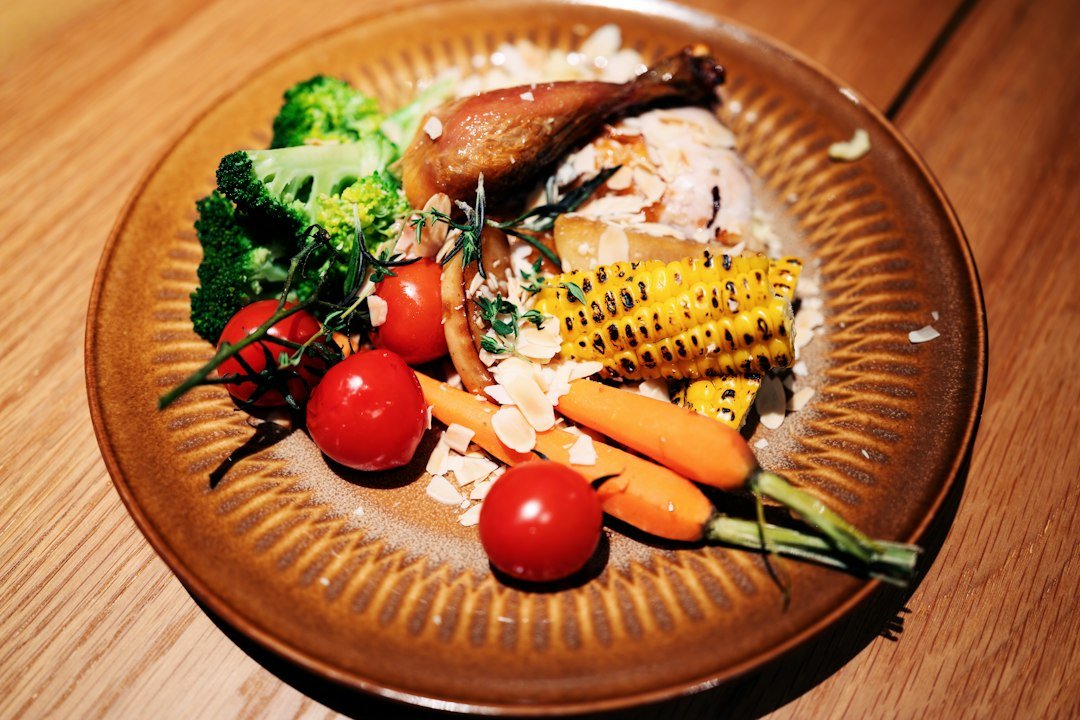
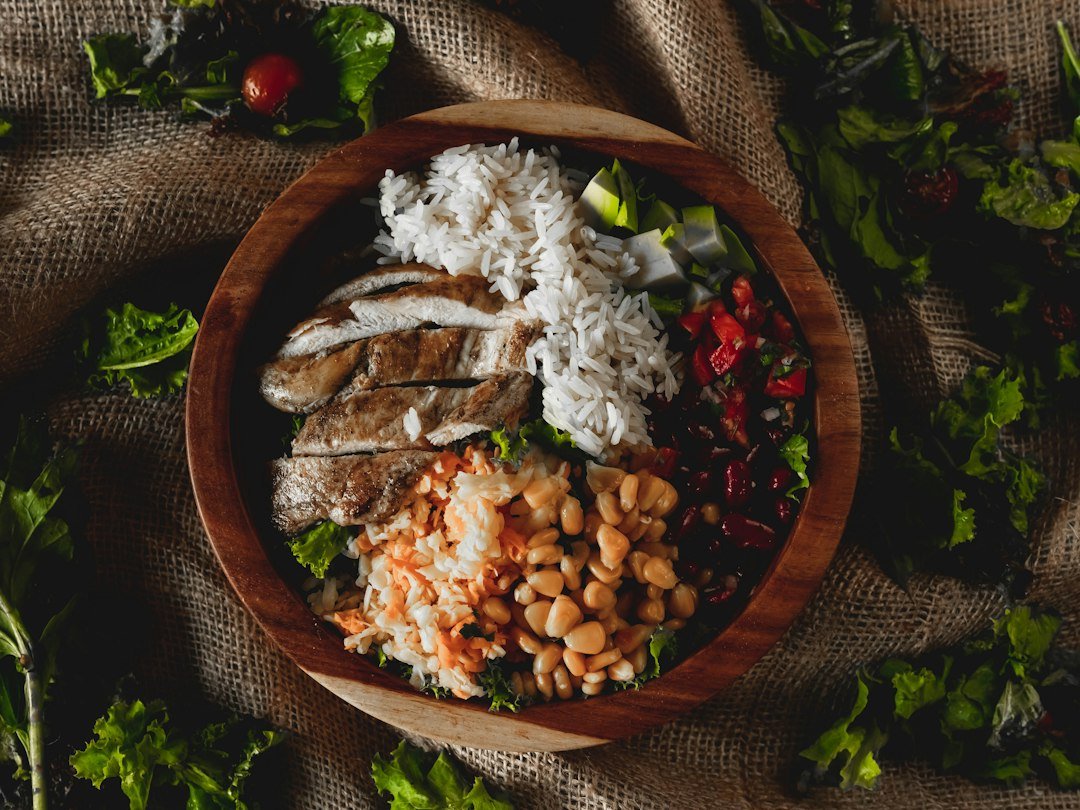
- Prioritize protein + fiber at each meal. Examples: Greek yogurt with berries and chia; scrambled eggs with spinach and a slice of sprouted toast; a lentil salad with mixed greens and sunflower seeds.
- Choose low-GI carbs and portion them. Swap white rice for brown rice or quinoa, use steel-cut oats, and prefer beans, sweet potato or intact whole grains.
- Snack strategically. Combine a carbohydrate with protein or fat — apple slices with nut butter or edamame and cherry tomatoes — to avoid sugar-only snacks that spike insulin.
Make protein a non-negotiable morning habit
Eating 20–30 grams of protein at breakfast supports stable blood sugar, preserves lean mass and influences ghrelin/peptide signals that interact with reproductive hormones. Quick ideas:
- Cottage cheese or Greek yogurt bowl with nuts and fruit.
- Protein smoothie: milk (dairy or fortified plant milk), scoop of protein powder, frozen berries, spinach.
- Tofu scramble or two eggs with a side of roasted veggies.
Eat fats that help hormone production and inflammation control
Hormones are built from fats; choosing quality fats supports balanced hormone synthesis and helps control inflammation. Focus on:
- Monounsaturated fats: olive oil, avocado, olives.
- Omega-3 sources: fatty fish (salmon, sardines), walnuts, chia seeds.
- Limit trans fats and excessive refined seed oils — they can promote inflammation and negatively affect insulin sensitivity.
Prioritize fiber and gut support to influence estrogen metabolism
Fiber helps bind excess estrogen in the gut and supports a microbiome that regulates hormone recycling (the “estrobolome”). Practical steps:
- Include 25–35 grams of fiber daily from vegetables, fruits, beans, whole grains and seeds.
- Add one fermentable food daily — plain yogurt, kefir, sauerkraut or a tablespoon of miso — to support beneficial bacteria.
- When constipation is an issue, increase water with fiber and try soluble-fiber foods like oats, apples and psyllium to help estrogen excretion.
Support liver detox pathways that process hormones
The liver chemically modifies hormones to be excreted. Nutrients and foods that support liver phase II detox (glucuronidation and sulfation) can help with healthy estrogen balance:
- Cruciferous vegetables: broccoli, Brussels sprouts, kale contain DIM and sulforaphane precursors that support estrogen metabolism.
- Foods rich in sulfur and B vitamins: eggs, onions, garlic, legumes, and leafy greens.
- Maintain steady protein and avoid chronic overeating of alcohol and ultra-processed foods, which burden liver function.
When a targeted supplement can help (and one practical pick)
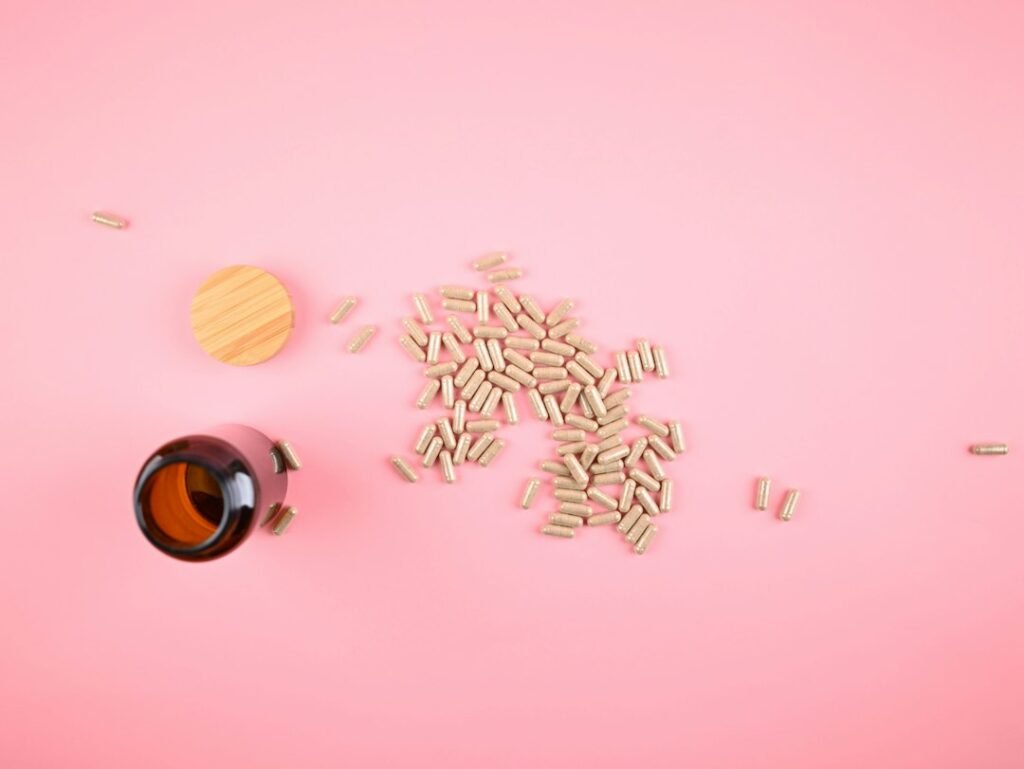
Most hormone support begins with food, but certain supplements pair well with nutrition when you want extra support for estrogen metabolism and liver pathways. Calcium D-Glucarate is well-suited to help glucuronidation, which assists the body in clearing excess estrogen.
Use it as a targeted option when you and your clinician identify estrogen-related symptoms (heavy periods, breast tenderness, estrogen dominance patterns). Don’t expect supplements to replace dietary fixes — they’re an adjunct.
Mind meal timing around stress and sleep
Cortisol and insulin interact with mealtimes. To reduce nighttime cortisol and improve sleep-linked hormone signaling:
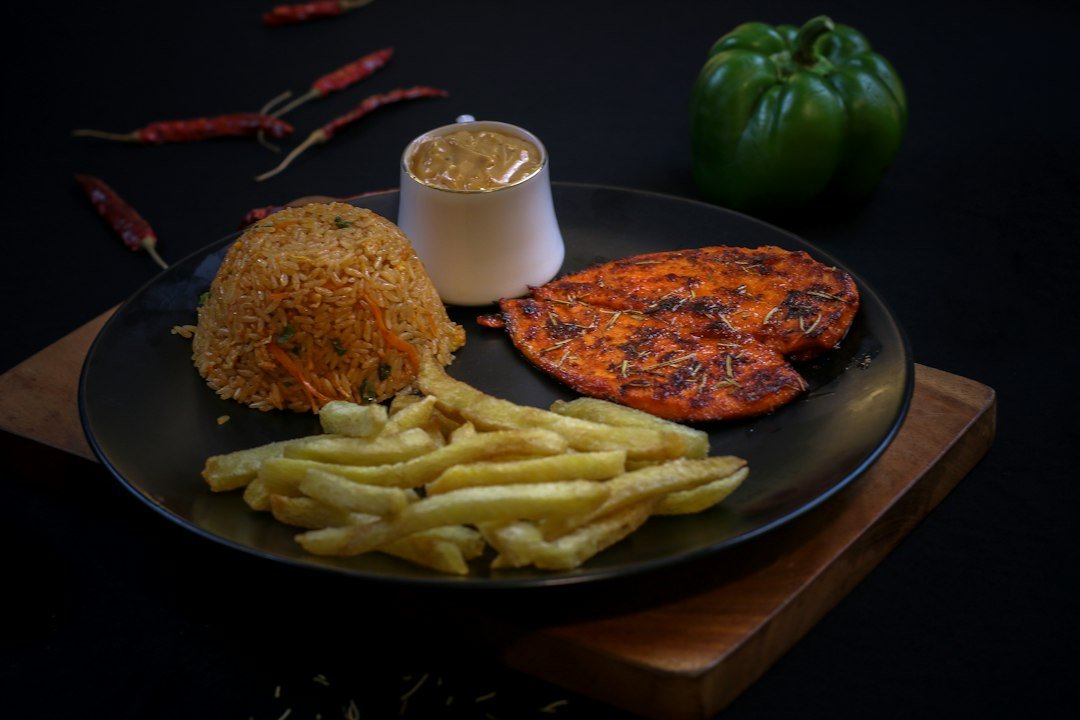
- Avoid large high-carb meals right before bed; choose a lighter protein-and-veg option if you’re hungry late.
- Consistent meal timing helps circadian rhythm — aim for similar breakfast and dinner times most days.
- If you experience overnight hypoglycemia symptoms (night sweats, waking hungry), include a small protein-and-fat snack before bed, like cottage cheese or a tablespoon of almond butter on whole-grain crackers.
Focus on micronutrients that commonly affect hormones
Some vitamins and minerals are repeatedly linked to hormone health. Foods first:
- Zinc: oysters, pumpkin seeds, beef — supports reproductive hormone production.
- B vitamins and choline: eggs, liver, legumes, leafy greens — aid methylation and liver detox.
- Magnesium: nuts, seeds, dark leafy greens — helps sleep, stress regulation and insulin sensitivity.
If you suspect deficiencies or take medications, test and consult your clinician before supplementing.
Small habits that compound: hydration, movement, and plant variety
These aren’t flashy, but they matter:
- Hydration affects metabolism and digestion — aim for plain water across the day and a full glass with meals.
- Regular resistance training helps preserve muscle and improves insulin sensitivity, benefiting multiple hormones.
- Rotate plant foods and colors weekly to broaden polyphenols that support gut and liver health (few people need to overcomplicate this — think: aim for different vegetables at least 3–4 times per week).
Signs that nutrition may not be enough
If you’ve consistently applied these nutrition changes for 8–12 weeks and still have irregular cycles, severe PMS, menopausal hot flashes that disrupt life, unexplained weight changes or symptoms of thyroid dysfunction, seek medical evaluation. Hormonal testing and individualized care may be necessary.
- Eat 20–30 g protein at breakfast most days.
- Include a cruciferous vegetable at least 4 times/week.
- Aim for 25–35 g fiber daily from whole foods.
- Choose omega-3 and monounsaturated fats daily.
- Limit alcohol and ultra-processed foods that stress the liver.
- Track symptoms for 8–12 weeks before adding or stopping supplements.
Concrete, repeatable food choices — steadying blood sugar, sufficient protein, fiber-rich plants and liver-supporting vegetables — are the foundation for supporting hormone balance. Use supplements like Calcium D-Glucarate selectively and with professional guidance when diet alone doesn’t resolve persistent symptoms.
How long until I notice improvements?
Small wins like steadier energy and reduced cravings can appear in 2–4 weeks; hormonal cycles or heavy-period changes often need 2–3 menstrual cycles or about 8–12 weeks to show clear differences.
Can one food balance hormones on its own?
No single food is a cure; reliable change comes from combined patterns — protein consistency, fiber, healthy fats and liver-supporting vegetables.
Is Calcium D-Glucarate safe to try?
It’s generally well-tolerated as an adjunct for supporting estrogen clearance, but consult your clinician if you’re pregnant, breastfeeding, on hormone therapies, or taking medications.
Should I avoid soy and flax if I have estrogen-related symptoms?
Moderate whole food soy and ground flaxseed are often beneficial and contain phytoestrogens that may act differently than human estrogen; personalize with your clinician if you have estrogen-sensitive conditions.