Quick observation: digestion really changes after 40 — and that’s normal
If you’ve noticed more bloating, slower digestion, or new constipation in your 40s or 50s, you’re not imagining it. Hormone shifts, slower gut motility, changes in muscle mass, medication use and different eating patterns all conspire to make digestion in midlife quieter and more temperamental. The good news: small, targeted changes usually bring measurable relief.
What helps most right away: a simple daily routine you can actually keep
For digestion in midlife, prioritize three daily habits that change outcomes faster than complex detoxes:
- Regular fiber + balanced plate: Aim for 20–30 grams fiber daily from whole foods—vegetables, fruit, beans, oats and a small portion of whole grains—with a protein and healthy fat at each meal to slow sugar spikes and feed healthy microbes.
- Consistent movement: A 10–20 minute walk after meals stimulates gut motility and reduces bloating; standing or gentle stretching after eating helps too.
- Hydration timed with fiber: Drinking water steadily through the day (not all at once) and especially with high-fiber meals keeps stool soft and transit regular.
Why these tips work: the midlife physiology to keep in mind
Menopause and perimenopause lower estrogen and progesterone; both affect intestinal muscle tone and transit. Muscle mass declines slightly with age, and slower motility raises the chance of constipation and bacterial overgrowth. Many women also take medications (antidepressants, antacids, iron) that alter stool or stomach acid. Understanding these drivers helps choose the right fix—dietary fiber for slow transit, short-course targeted supplements when motility needs help, or reviewing medications with your clinician when side effects are plausible.
Food choices that reduce bloating and improve regularity
Small swaps beat extreme rules. Try these practical food moves this week:
- Swap refined breakfast carbs for oats, chia pudding, or a Greek yogurt parfait with berries—adds soluble fiber without excess gas.
- Include one cup of cooked beans or lentils 3–4 times weekly; start with 1–2 tablespoons pureed into soups if whole servings cause gas.
- Choose low-FODMAP options on heavy-symptom days (e.g., carrots, spinach, firm tofu, quinoa) to test whether fermentable carbs drive your bloating.
- Limit carbonated drinks and sugar alcohols (sorbitol, xylitol) which commonly cause midlife bloating.
- Add a small amount of healthy fat (olive oil, avocado) with meals to help stool pass more easily.
When to consider supplements — and one easy recommendation
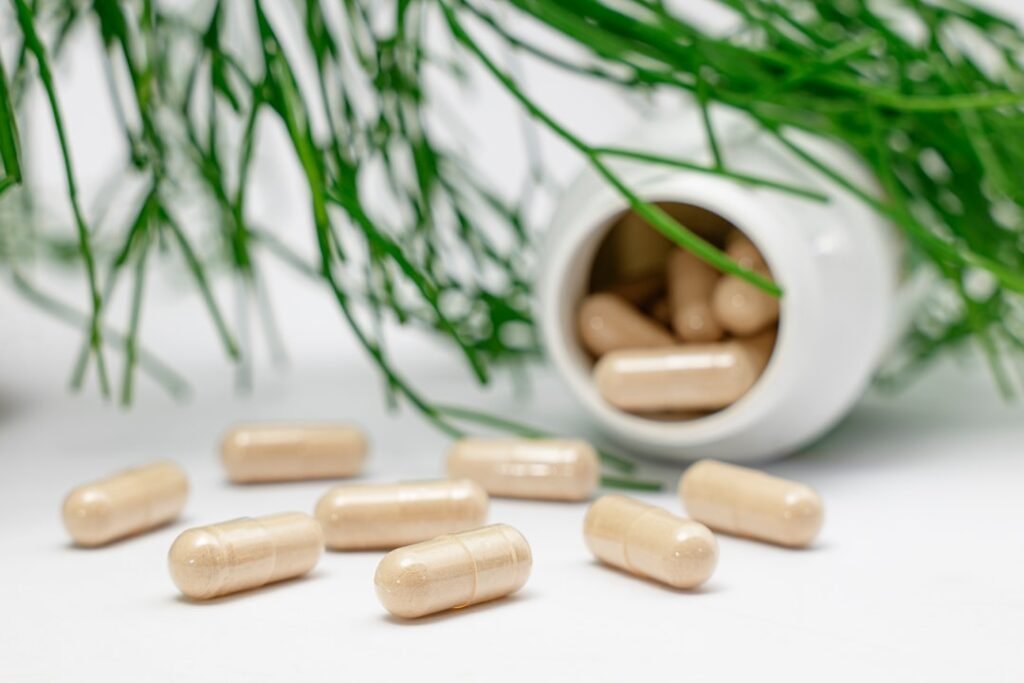
If diet and routine don’t fully help, a targeted supplement can bridge the gap. For many midlife women, a gentle fiber powder or an aloe vera juice taken consistently supports regularity and gut comfort. Choose products with simple ingredient lists and look for brands tested for contaminants.
Why this fits: Aloe vera juice can soothe inflamed mucosa, add gentle bulk and encourage motility without harsh stimulants—useful when diet changes alone aren’t enough. Take as label directs and pause if you have inflammatory bowel disease or are pregnant.
[h3]Other supplement options and when to try them[/h3>Consider ginger for nausea and bloating (Rank #2 product option fits), digestive bitters before meals to stimulate bile and enzymes, or a low-dose magnesium (or magnesium citrate) for short-term constipation. Probiotics can help stool frequency for some women, especially formulas tested in adults over 40; expect modest benefits and try a 4–8 week trial to judge effect.
Practical tests you can run at home to pinpoint the cause
If symptoms are inconsistent, these short experiments help you and your clinician fine-tune care:
- Keep a three-day meal-and-symptom log noting timing of bloating, bowel movements and foods eaten.
- Try a 7–10 day low-FODMAP window if bloating is frequent; reintroduce foods slowly to identify triggers.
- Swap one daily medication or supplement at a time (only after clinician approval) if you suspect it affects bowel habits.
- Test an evening walk or 10-minute post-meal walk for one week to measure stool frequency change.
When to see a clinician sooner rather than later
See a clinician if you have rapid weight loss, blood in stool, severe abdominal pain, persistent vomiting, or a sudden change in bowel habits that lasts more than two weeks. Also consult if you start frequent antacid use for new reflux—low stomach acid or ulcer disease needs evaluation before adding acid-replacement or digestive enzymes.
Practical trade-offs and realistic expectations
Not every midlife digestive issue vanishes quickly. Dietary fiber helps many but can increase gas temporarily; low-FODMAP diets can reduce bloating but are restrictive and should be re-evaluated with guidance. Supplements can aid transition but are rarely a permanent replacement for steady habit changes. The goal is consistent improvement in comfort and frequency, not immediate perfection.
- Increase whole-food fiber gradually to ~20–30 g/day and drink extra water with it.
- Walk 10–20 minutes after meals for at least a week to test motility benefits.
- Keep a 3-day food and symptom log to identify trigger foods.
- Try a short low-FODMAP window if bloating is daily, then reintroduce systematically.
- Consider a vetted aloe or fiber supplement if dietary changes aren’t enough.
- See a clinician for red flags: blood, severe pain, unexplained weight loss.
Digestion in midlife usually responds best to consistent, simple habits: steady hydration, fiber from whole foods, gentle post-meal movement, and targeted supplements when needed. Use short trials and a symptom log to identify what helps you specifically—and consult a clinician for sudden or severe changes.
Is bloating normal during menopause?
Yes. Hormone changes can slow gut motility and alter fluid balance, making bloating more common; dietary adjustments and movement often reduce the problem.
Will fiber always help constipation in midlife?
Fiber helps most people but must be increased gradually with adequate fluids; if slowed motility is severe, additional interventions (magnesium, prescription options) may be needed under medical guidance.
Are probiotics useful for midlife women?
Some women see improved stool regularity with specific probiotic strains; try a tested formula for 4–8 weeks and track changes—benefits are modest and individualized.
When should I avoid aloe vera or herbal supplements?
Avoid or consult your clinician if pregnant, breastfeeding, or if you have inflammatory bowel disease, severe liver disease, or take medications with interaction risks.
Can exercise alone fix digestion problems?
Regular movement helps, especially post-meal walks, but exercise works best combined with dietary adjustments, hydration and sleep; it’s rarely a complete standalone fix.