Start here: a calming evening routine lets you fall asleep faster and sleep more soundly
If you want better nights, build a calming evening routine that begins at a consistent time, removes activating inputs, and adds two short rituals that reliably lower your arousal before bed. The rest of this article explains exactly what to do—when to start, which cues to use, and how to tailor the plan to your life so it actually sticks.
Decide the endpoint: what “better sleep” looks like for you
Define one measurable outcome (examples: fall asleep within 30 minutes, wake once or less, sleep 7 hours). Pick a realistic timeline—try the routine for three weeks before assessing—and choose a consistent target bedtime. Consistency is the single biggest lever for changing sleep physiology.
Build the routine in order: a practical 90–60–30 minute plan
Use time blocks to organize activities with clear intent. A simple pattern is 90 minutes, 60 minutes, and 30 minutes before your target lights-out.
90–60 minutes: finish stimulating tasks and begin dimming
- Wrap work, social media, and intense conversations. Put a visible “done” marker—close the laptop, turn off the work phone, or move devices to another room.
- Start reducing bright lights. Move to lamps or use warm bulbs. Dimming tells your brain melatonin production can rise.
- Eat a light evening meal or a small snack if needed; avoid large meals within two hours of bed. If you rely on supplements, this is a common window for magnesium glycinate (see product suggestion below).
60–30 minutes: purposeful wind-down activities
Choose one behavioral and one sensory ritual to do consistently. Examples:
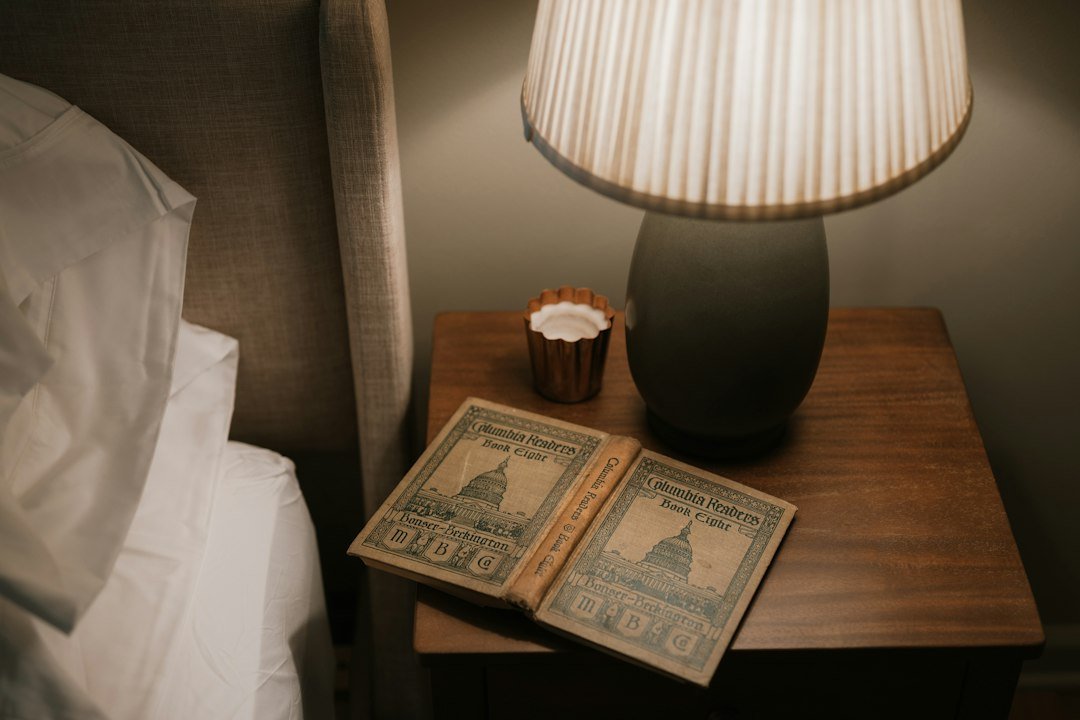
- Behavioral: read a paper book, gentle yoga, or 10–20 minutes of journaling where you list tomorrow’s top three tasks (brief planning reduces rumination).
- Sensory: warm herbal tea, a warm shower, or dim lighting plus a lavender scent from a diffuser.
- Avoid stimulating media—fast-paced TV, doomscrolling, gaming, or emotionally charged content.
Last 30 minutes: bed-ready cues and a short relaxation practice
Reserve this time for activities that directly cue sleep: put on pajamas, brush teeth, and get into bed only when sleepy (or use a chair-by-bed if you need to wait). Add a 5–12 minute practice—progressive muscle relaxation, guided breathwork (4-6-8 breath cycles), or a short mindful-body scan—to lower heart rate and quiet thinking.
Adjust the environment: small changes, big returns
Optimize three sensory dimensions: light, sound and temperature.
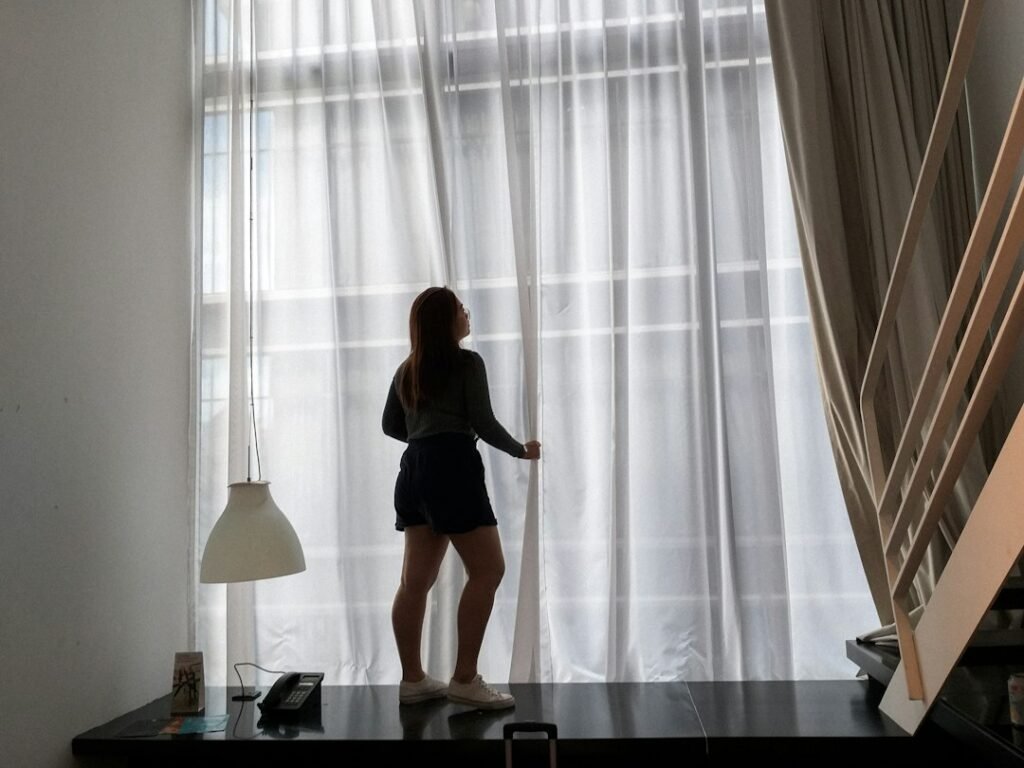
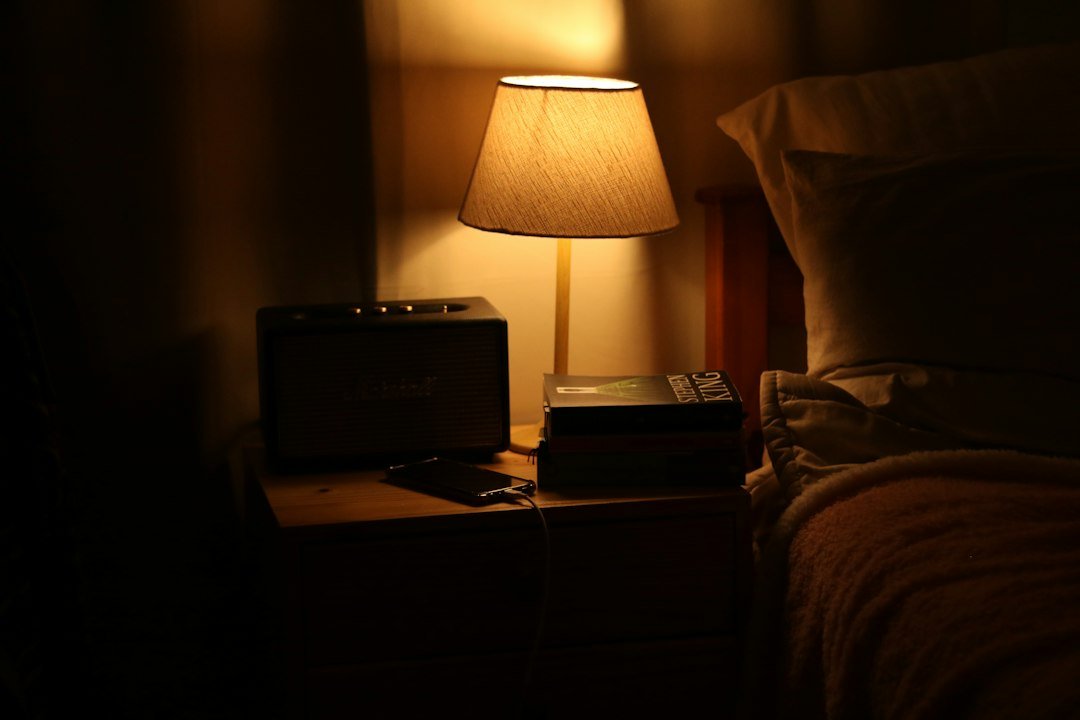
- Light: blackout curtains, dim bedside lamps, and remove charging phones from the bedside or switch to Night Shift/blue-light filters. A low-watt table lamp or a bedside dimmer are inexpensive, high-impact changes.
- Sound: a white-noise machine or a fan smooths sudden noises; earplugs help if you’re a light sleeper. Soft, instrumental playlists can work if they’re predictable and quiet.
- Temperature: aim for 60–68°F (15–20°C) or whatever you sleep best in; a breathable sheet set and moisture-wicking pajamas help regulate microclimate around the skin.
Make rituals reliable: choose cues and simplify choices
Habit forms when a cue reliably precedes the action. Use the clock, an alarm labeled “Start wind-down,” or a visible action (turning on a lamp) as your cue. Limit choices—pick one calming drink, one short practice, and one pre-bed task—so decision fatigue doesn’t break the chain.
Use supplements or sleep aids thoughtfully (one helpful option)
If you want extra support while forming the habit, consider a well-matched supplement after checking interactions with medications. Magnesium glycinate is a common choice for people seeking gentle evening support because it’s well absorbed and can help muscle relaxation and nervous-system calm.
Troubleshooting: what to do if the routine doesn’t work at first
- No change after a week: keep going—most behavior-based sleep changes need 2–3 weeks. Track bedtimes, wake times, and perceived sleep quality to spot patterns.
- Still awake in bed: get up after 20 minutes, do a quiet low-light activity, and return when sleepy to avoid conditioning the bed with frustration.
- Nighttime anxiety: add a brief evening worry session (10 minutes) earlier in the wind-down to process intrusive thoughts, not in bed.
- Partner mismatch: negotiate shared cues (both lower lights), and allow individual differences—one partner may use a bedside reading light and the other earplugs or an eye mask.
How to adapt for shift work, caregiving, or travel
Shift your anchor: instead of “bedtime,” anchor to a routine that signals rest before your main sleep window (for example, “post-shift wind-down”). Use blackout curtains and a travel-sized diffuser to recreate cues when away. For caregiving nights, keep a compact, repeatable ritual you can do in 10 minutes between care tasks.
When to seek professional help
If you’ve followed a consistent routine for a month and still have severe trouble falling or staying asleep, frequent daytime impairment, or loud snoring with choking/gasping, consult a healthcare provider or sleep specialist for evaluation.
Next steps you can do tonight
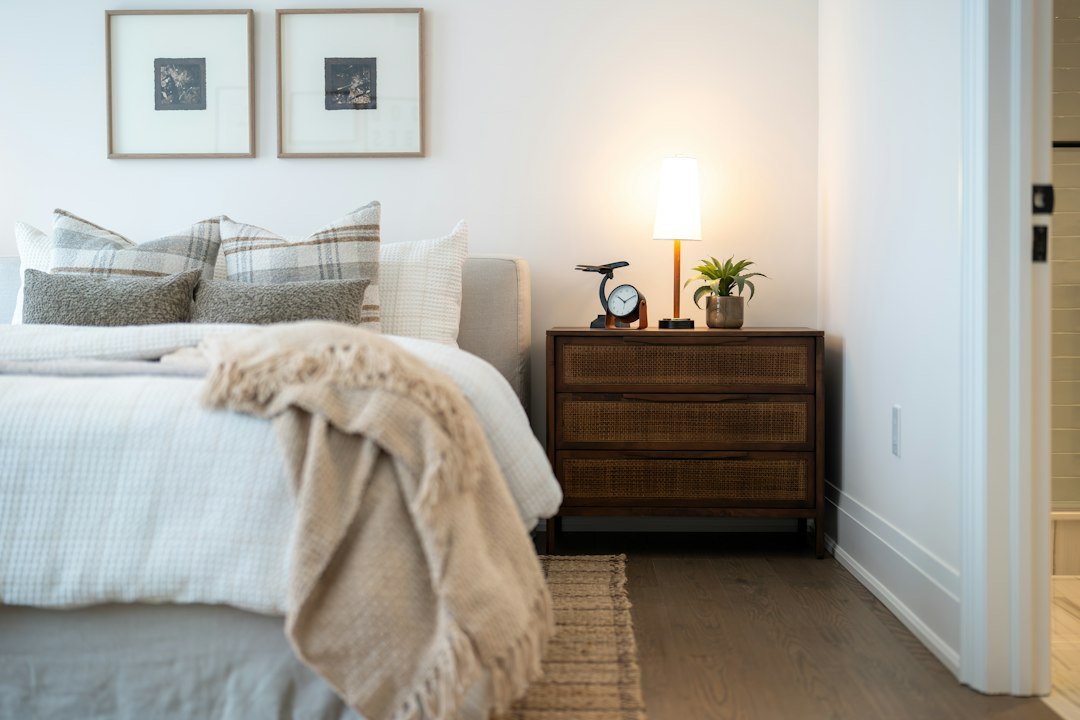
Pick your target lights-out, set a “wind-down” alarm 90 minutes before it, choose one behavioral and one sensory ritual, and prepare the bedroom environment (dim lights, cool temperature, phone out of reach).
- Set a consistent target bedtime and a 90-minute wind-down alarm.
- Remove or shut down stimulating screens at least 60 minutes before bed.
- Choose one behavioral and one sensory ritual to do nightly.
- Dim lights and cool the bedroom 30–60 minutes before sleep.
- Have a short relaxation practice ready for the final 5–12 minutes in bed.
- Keep a simple tracker (3 weeks) to note bedtime, wake time, and sleep quality.
A calming evening routine is a learned signal: consistent timing, reduced stimulation, and two repeatable rituals (behavioral and sensory) create the physiological shift toward sleep. Start small, be consistent for several weeks, and tweak environmental factors to match your needs.
How long before bed should I start my routine?
Begin 60–90 minutes before your target lights-out; the early window is for stopping stimulating activities, the last 30 minutes are for sleep-specific cues.
Is one short practice enough or should I do several?
One consistent behavioral ritual plus one sensory cue is enough—repetition matters more than variety when building a sleep signal.
Can I use supplements every night?
Some people use magnesium glycinate nightly as gentle support; check with a clinician if you take medications or have medical conditions.
What if I can’t avoid screens because of work?
Use blue-light filters, wear blue-light-blocking glasses, and create a short, device-free ritual (5–15 minutes) immediately after work to start the wind-down even if screens stay on earlier.
How long until I see results?
Behavioral routines typically take 2–3 weeks to produce noticeable changes; keep a simple log and give the plan time to become automatic.